The first time I tried to order crepes in France, I walked into a sit-down restaurant and asked the waiter if they served crepes there. He looked at me the way you look at someone who has just asked for ketchup at a wine bar. He pulled the towel from his waistband, threw it on the floor, and stormed away. I did not get crepes that day.
What I eventually learned, from a woman selling them off a cast-iron griddle the size of a manhole cover near the Seine, is that crepes are street food. Ordering them in a restaurant is the equivalent of asking a steakhouse for a hot dog. They are made standing up, eaten folded in quarters, and finished in thirty seconds. Knowing how to make a crepe properly starts with understanding what it actually is: not a fussy brunch item, but one of the most forgiving, useful things you can do with flour, eggs, and butter.
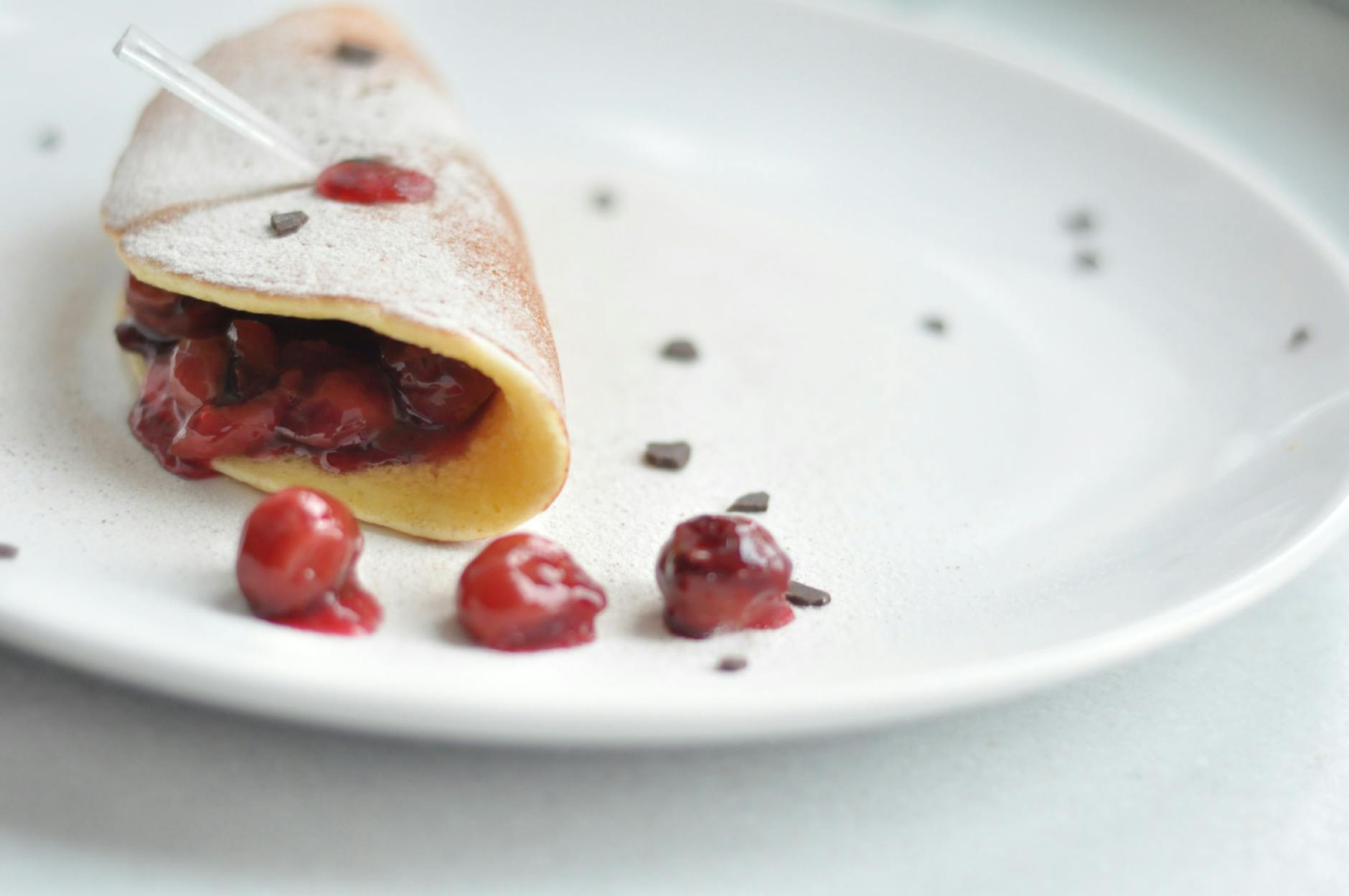
What a Crepe Actually Is
The batter is thin. Thinner than you think. It pours like cream and spreads across the pan in a single breath. What you’re making is essentially a very thin, very wide pancake, cooked fast on one side and barely touched on the other. The Maillard reaction happens quickly here: the sugar in the milk caramelizes at the edges, the proteins in the egg set the structure, and the butter you’ve already cooked into the pan keeps it from sticking and adds that faint, nutty smell that tells you the temperature is right.
The French have been making them this way for centuries, particularly in Brittany, where buckwheat galettes (the savory version) have fed people since long before wheat flour was widely available. The sweet crepe, made with white flour, is the one you see everywhere now, folded around Nutella or jam on nearly every street corner in Paris. Both versions require the same patience: rest the batter, heat the pan properly, and resist the urge to rush the first one.
The Technique
Cook until the edges lift and the surface looks dry and matte, not glossy. That takes about ninety seconds. Flip once, briefly, just long enough to set the second side, around thirty seconds. The first crepe almost always gets thrown away or eaten standing at the stove. It seasons the pan. Consider it payment.
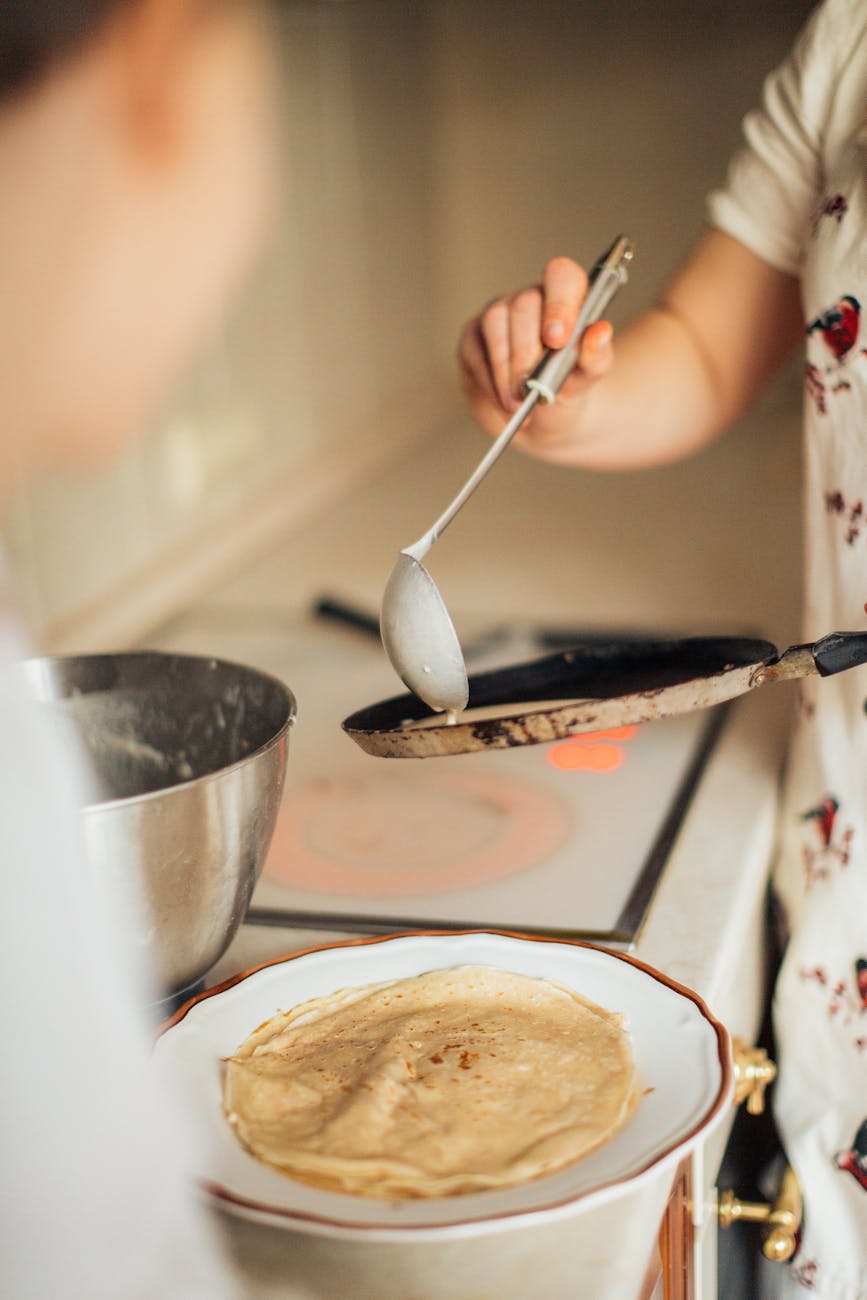
What to Make with It
- The Nutella Crepe (Because It Exists for a Reason)
- The Savory Crepe: Ham, Gruyere, Egg
- Brown Butter and Lemon
Some of the best things are the simplest. Cook the butter in the pan just a shade longer than usual until it smells like hazelnuts, pour in the batter, cook as normal, then finish the plated crepe with a squeeze of lemon and a dusting of powdered sugar. No recipe required.
What to Buy
- Pan: For entry-level, a nonstick crepe pan with low sides does the job.
- Mid-range: Carbon steel heats more evenly and develops a natural nonstick surface over time.
- Premium: If you make crepes regularly, a cast iron crepe pan with a wooden spreader is worth the investment. It holds heat steadily and lasts forever.
- Batter: A blender makes quick work of lump-free batter and doubles as a pouring vessel.
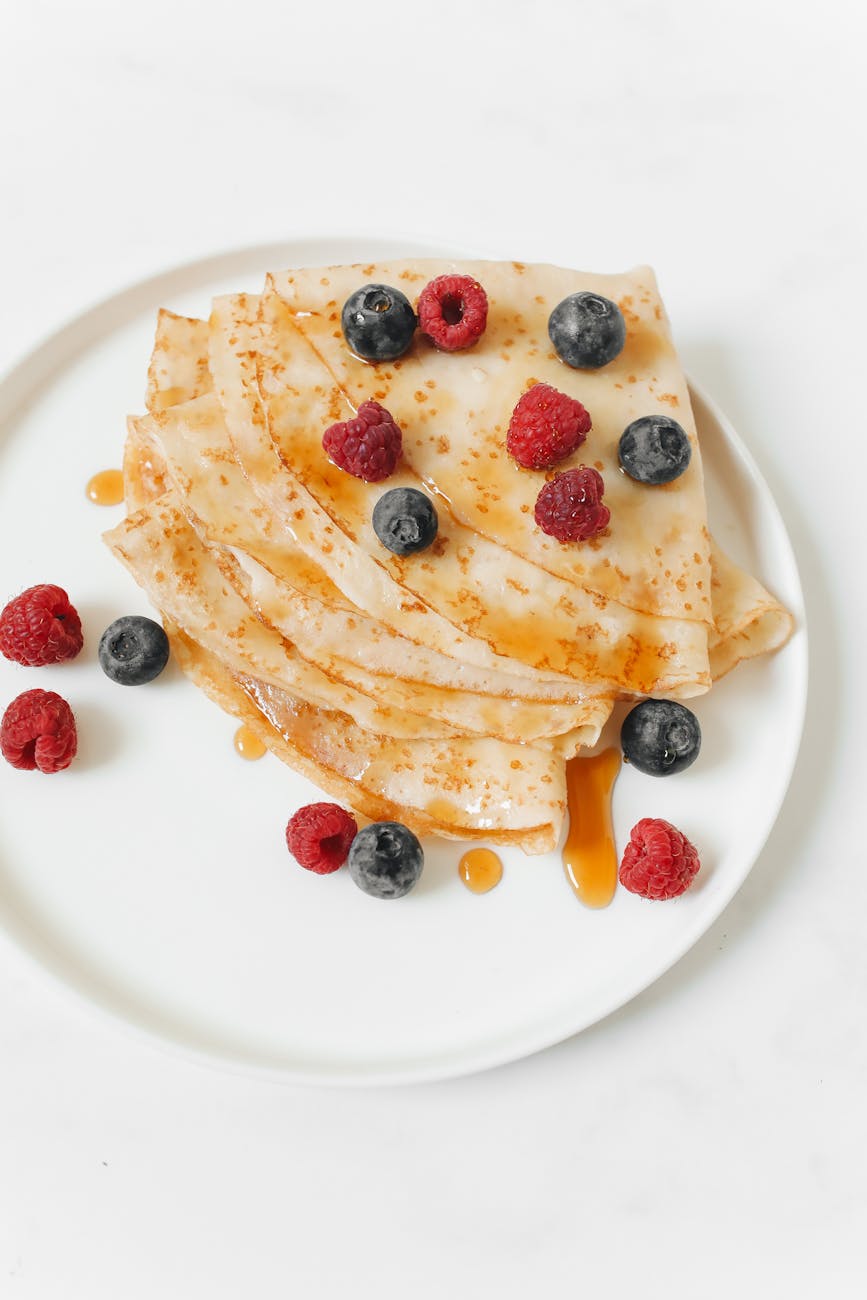
Make these on a slow morning when you have nowhere to be. Make them for people who will stand around the stove eating the seconds straight from the pan. The patience the technique demands is not a flaw in the recipe, it’s the whole point. You rest the batter, you heat the pan properly, you throw the first one away. By the third, you’ve found your rhythm. By the fifth, you’re not thinking about it at all.

 Synnova Atelier
Leave a comment