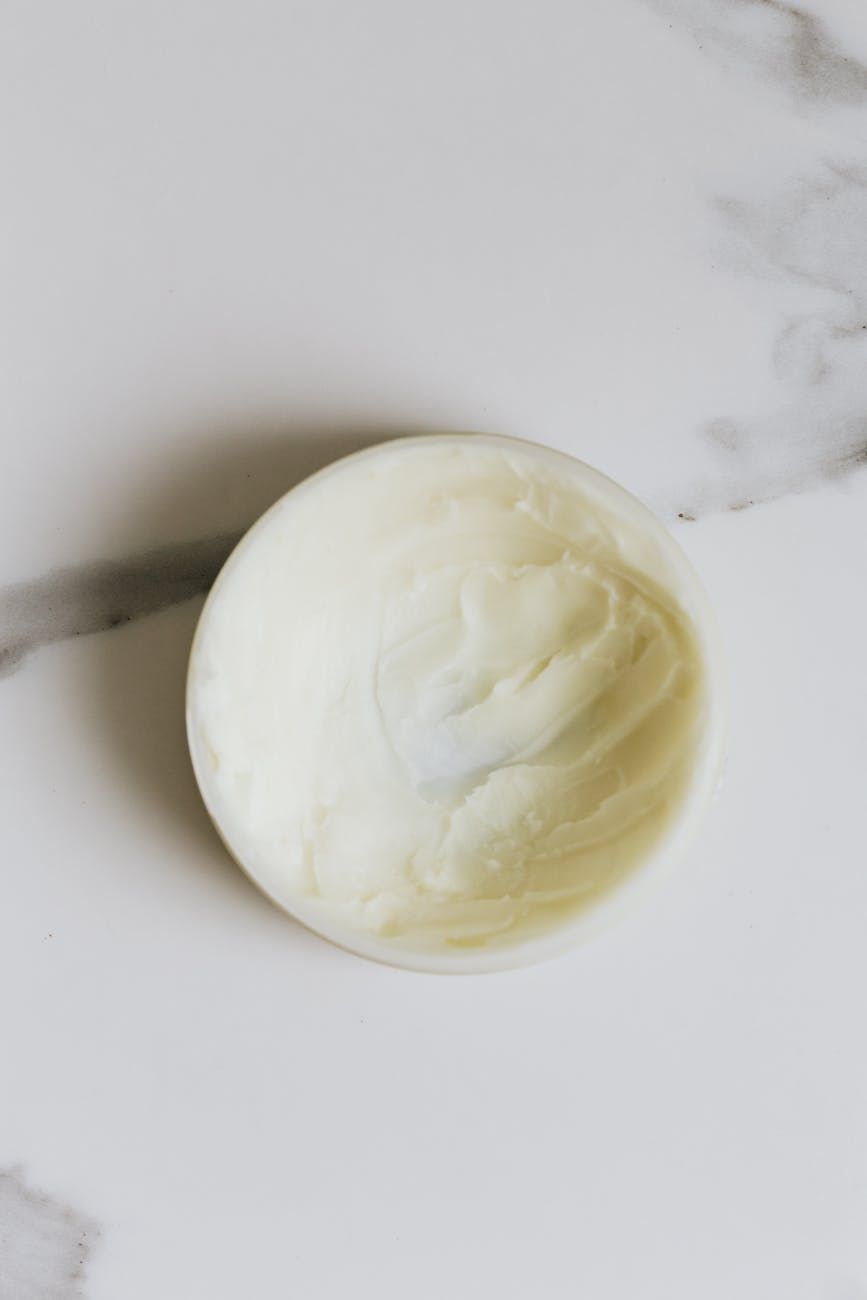
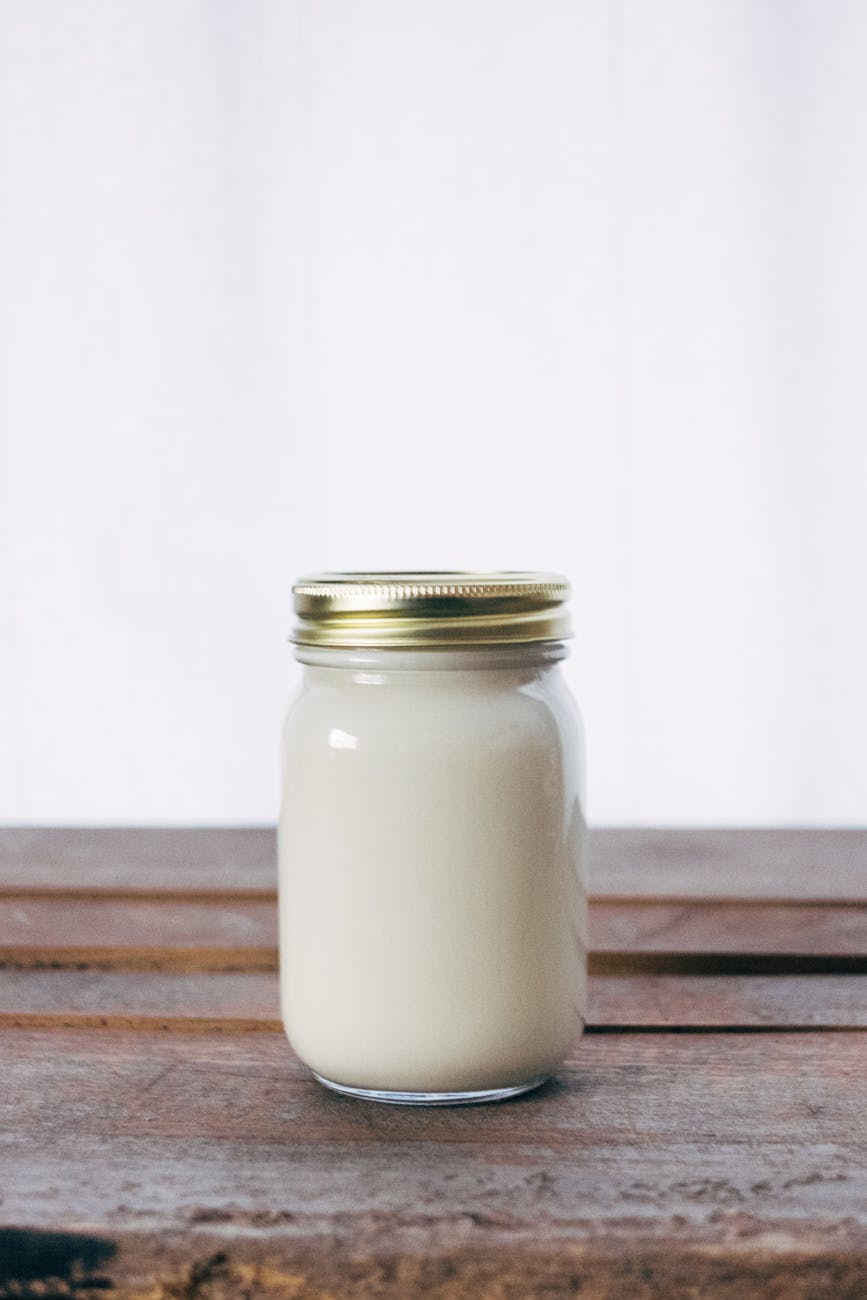
The jar sat on the counter for twenty minutes before I opened it. Creamy white, dense, faintly golden at the edges. I’d ordered beef tallow on something between curiosity and conviction, and now that it was here, my brain was doing the thing it does: running the whole kitchen through a new variable. Scrambled eggs. A seared ribeye basted in its own rendered fat. A ramen broth with that deep, round, umami warmth that no vegetable stock ever quite reaches. I stood there probably longer than was reasonable.
I made the eggs.
What Beef Tallow Actually Is, and Why the Kitchen Missed It
Tallow is rendered beef fat, most commonly sourced from the suet that surrounds the kidneys and loins. It was the standard cooking fat in Western kitchens until the mid-twentieth century, when seed oils pushed it aside on the back of (subsequently complicated) nutritional science. What got lost in that swap wasn’t just flavor. It was a fat with a high smoke point (around 400°F), a stable molecular structure that holds up under heat, and a savory depth that makes food taste more like itself.
That depth comes from the fat’s natural glutamates and the Maillard reactions it encourages. Which is a technical way of saying: things cooked in tallow taste richer, more umami-forward, more complete. Potatoes fried in beef tallow are a different object from potatoes fried in canola. The British knew this. McDonald’s knew this until 1990. Your great-grandmother knew this.
The flavor is not aggressive. It doesn’t announce beef. It announces that something serious is happening on the stove.
How to Use It Right
The most important thing about cooking with tallow is not to rush the heat. Bring your pan up to temperature with a generous spoonful of tallow already in it, letting the fat melt and spread slowly. You’re looking for a shimmer, not smoke. When it moves like water and coats the pan in one continuous sheet, you’re ready.
For eggs, this patience is everything. A cold egg hits cold tallow in a warm pan and the fat climbs the whites naturally, basting as it goes. The result is lacy, crisp-edged whites and a yolk that stays just barely set. Finish with fleur de sel and chives. Eat over rice. It will stop conversation.
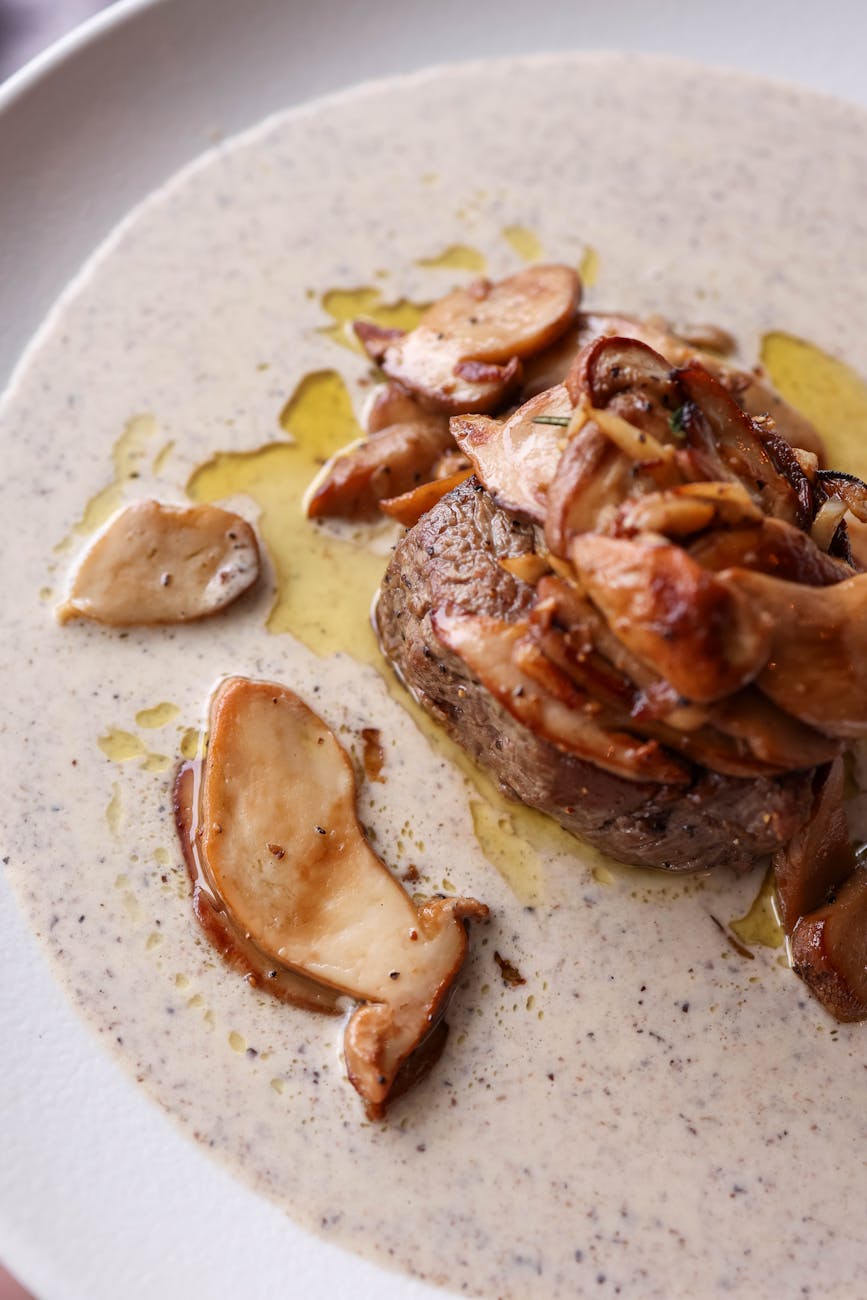
For a steak, tallow replaces the basting butter, or supplements it. Sear your cut in a dry cast iron first to develop the crust, then add a few tablespoons of tallow to the pan for the last two minutes of cooking, tilting and spooning continuously. The fat carries the heat differently than butter, browning without burning, layering in a savory richness that reinforces the meat rather than sitting on top of it.
The common mistake is using too little. Tallow is not a finishing oil. It needs volume to work.
What to Make With It
Scrambled Eggs Over Rice
This was the first thing I made, and it’s become a weekly ritual. Two eggs in a bowl, barely whisked. A generous tablespoon of tallow in a cool pan over medium-low heat. The eggs go in when the fat starts to move, and you pull them with a spatula in slow, patient folds until they’re barely set. Spoon them over short-grain rice. Fleur de sel. Chives cut fine. This is a bowl that costs almost nothing and tastes like something you’d order in a good Tokyo kissaten.
Seared Steak with Tallow Baste
Use tallow the way a steakhouse uses clarified butter: as a basting medium for your final two minutes over high heat. The fat amplifies the crust, carries aromatics if you add a smashed garlic clove, and produces a pan sauce worth deglazing for. The umami character of the tallow and the umami character of the beef are the same language. They reinforce each other without confusion.
Ramen Broth
A single tablespoon of tallow stirred into a finished ramen broth just before serving does something remarkable. It adds a fattiness that reads as richness rather than grease, rounds out any sharp edges in the salt, and gives the surface of the bowl that broken, glossy quality that signals something house-made and serious. You don’t need much. You need it.
Where to Buy It
For entry-level access, look for Epic Provisions Beef Tallow at most natural grocery stores or online. It’s widely available, responsibly sourced, and a solid introduction. Mid-tier, Fatworks Pasture-Raised Beef Tallow is my regular buy, with a cleaner, more neutral flavor profile that works across applications.
If you want to go further, sourcing directly from a local butcher and rendering your own is the premium move. Ask for kidney suet, render low and slow, strain through cheesecloth. The flavor is noticeably more complex, and you’ll end up with cracklings as a byproduct, which is its own reward.
Buy the jar. Open it the same day. The scrambled eggs are a twenty-minute argument for why this fat deserves a permanent place on your counter, not just in the back of the pantry next to the things you tried once. Cook with it regularly for a month and you’ll notice that other fats start to feel like they’re missing something. They are.

 Synnova Atelier
Leave a comment